WESTERN UGANDA ADVENTURE
Explore Rubirizi’s Crater Lake Swimming Sport
Dive into the mysterious volcanic lakes of Rubirizi District, where crystal-clear crater waters meet ancient legends, cultural heritage, and some of Uganda’s most unique swimming and water sport experiences.
📍 Rubirizi District, Western Uganda
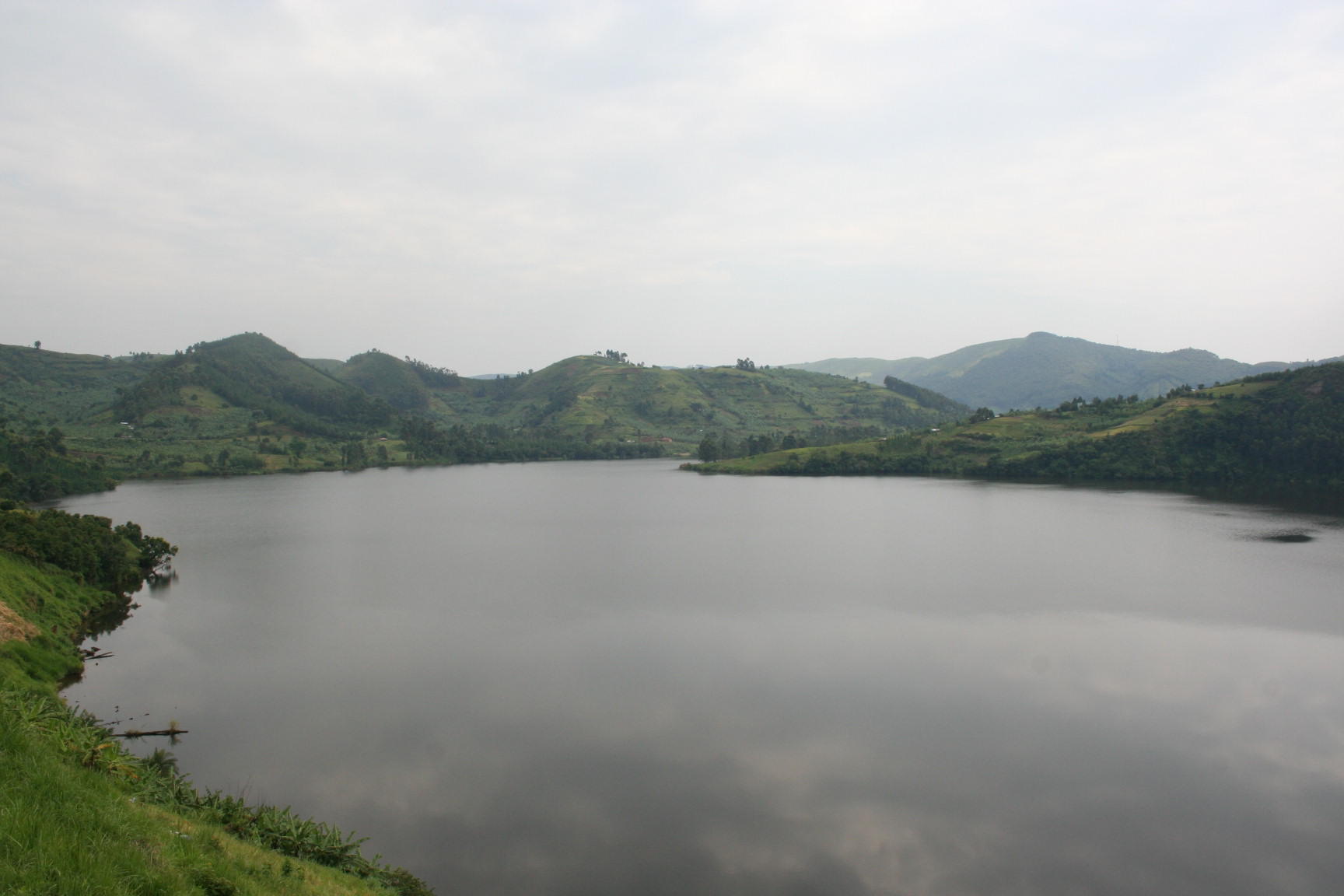
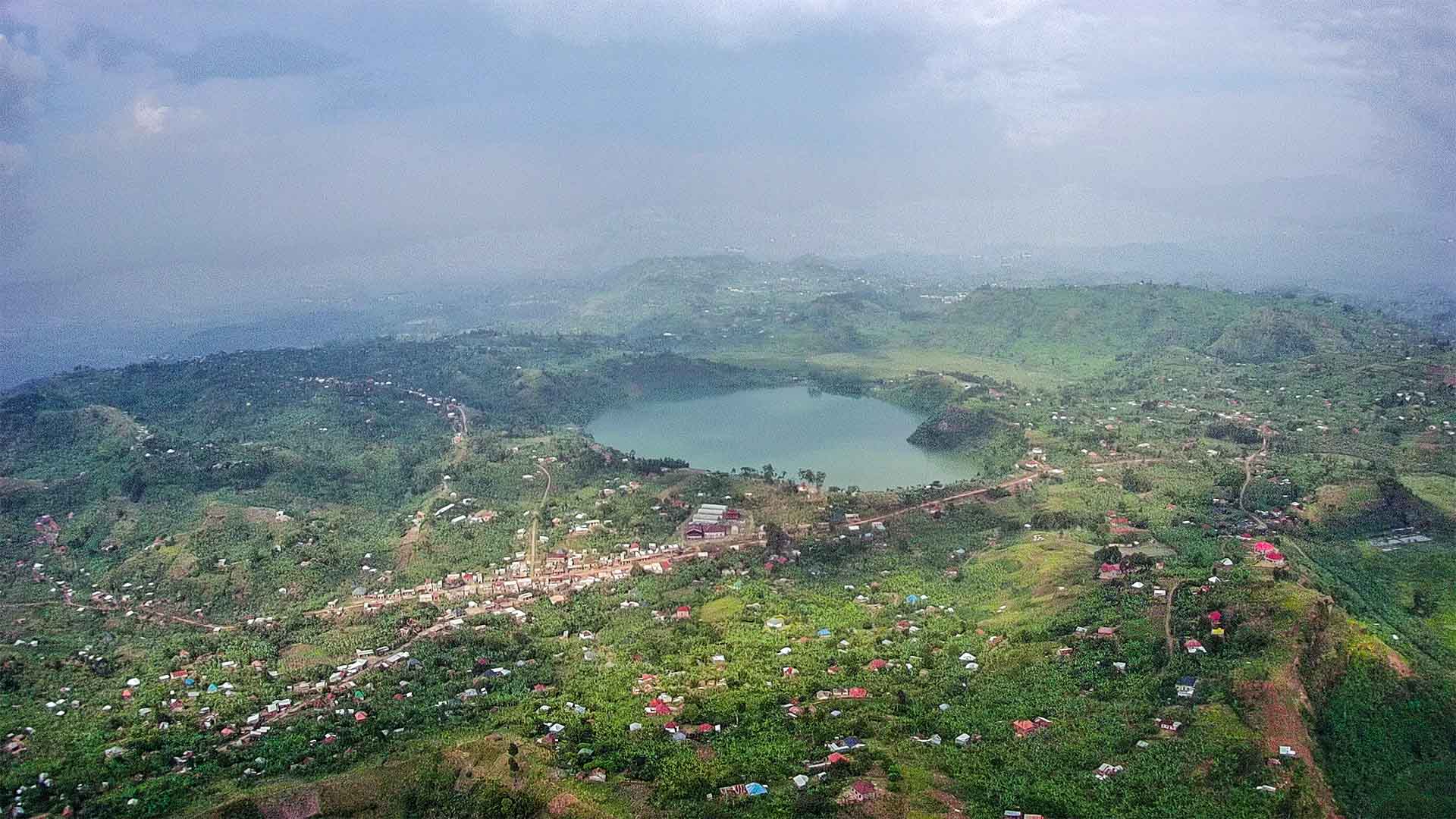
Nestled in the western arm of the East African Rift Valley, Rubirizi District is home to over 32 crater lakes formed by volcanic activity more than 12,000 years ago. Among these natural wonders, several lakes have become renowned for crater lake swimming — a thrilling water sport that combines adventure, natural beauty, and cultural mystique unlike anywhere else in Uganda.
What Makes Rubirizi's Crater Lakes Special?
Rubirizi District, formerly part of Bunyaruguru County before becoming an independent district in 2010, is uniquely positioned to offer one of Uganda’s most extraordinary water sport experiences. With 56 volcanic craters — 32 of which are filled crater lakes — this region stands as a geological marvel and an emerging adventure tourism hotspot in East Africa.
Unlike typical lakes, crater lakes are formed when volcanic eruptions create massive depressions that gradually fill with rainwater over thousands of years. The result? Deep, circular basins with remarkably clear water, dramatic crater walls, lush surrounding vegetation, and an otherworldly atmosphere perfect for swimming, canoeing, and water-based recreation.
Crystal-Clear Volcanic Waters
Many of Rubirizi’s crater lakes boast exceptionally clear, clean waters thanks to their volcanic origins and mineral-rich rock basements. Lakes like Kamunzuku are renowned for their transparency — you can see straight to the bottom even at significant depths. The lakes are bilharzia-free, making them safe for swimming and water sports.
Only Conjoined Crater Lakes in Africa
Rubirizi is home to Lake Kamweru and Lake Kyema — the only conjoined (twin) crater lakes in Africa. Separated by just a narrow strip of land, one lake has clear water while the other has distinctive green-tinted water due to natural algae. This unique geological feature makes Rubirizi a must-visit destination for adventure seekers.
Lake Nkugute: Shaped Like Africa
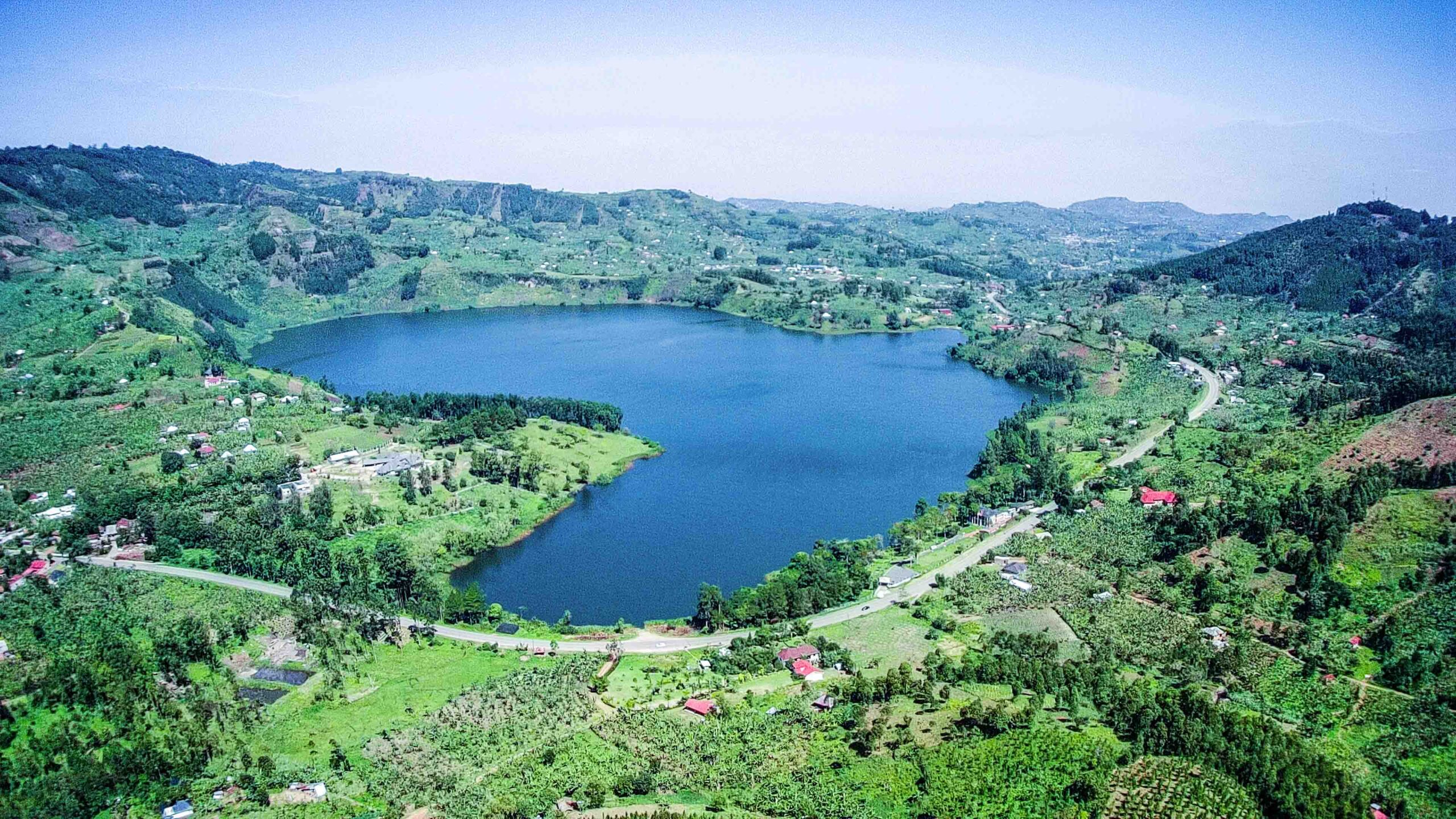
Perhaps Rubirizi’s most famous crater lake is Lake Nkugute, also called “Lake Africa” because when viewed from the surrounding hills, its shoreline remarkably resembles the map of the African continent. This unique shape, combined with the lake’s mysterious folklore and scenic beauty, makes it a prime destination for photographers and swimmers alike.
Rich Cultural & Folklore Heritage
The crater lakes of Rubirizi are steeped in local Banyaruguru legends and traditional stories passed down through generations. These tales — involving mysterious lake spirits, ancient rituals, and the Bachwezi dynasty — add a layer of cultural intrigue to any swimming or water sport adventure in the region.
Top Crater Lakes for Swimming in Rubirizi
While Rubirizi boasts 32 crater lakes, several have become particularly popular for swimming and water sports due to their accessibility, water quality, and scenic beauty. Here are the must-visit lakes for crater lake swimming:
1. Lake Kamunzuku (The Transparent Lake)
Location: Kasyohakitomi, Rubirizi District
Best For: Crystal-clear swimming, nature photography, wildlife watching
Lake Kamunzuku is celebrated as Rubirizi’s most transparent crater lake. The lake sits on a shiny rock basement that reflects sunlight beautifully, creating a stunning visual effect where you can see clear through to the lakebed even at depth. Locals describe it as having the “clearest waters in the region.”
Swimming Experience: The water is remarkably clean, cool, and refreshing — perfect for a swim after hiking through the surrounding forest. The lake is surrounded by dense vegetation that provides natural shade and attracts diverse wildlife including chimpanzees, colobus monkeys, red-tailed monkeys, forest pigs, and over 300 bird species including ducks and fish eagles.
Unique Features: The lake has a nearby heritage cave where local hunters and fishermen traditionally roast their catch and sometimes camp overnight. The cave also served as a hiding place for locals during Uganda’s turbulent political periods in the 1970s-1980s.
2. Twin Lakes Kamweru & Kyema
Location: Magambo Sub-county, Rubirizi District
Best For: Unique twin-lake experience, cultural tourism, canoe rides
The Twin Lakes Kamweru and Kyema are Africa’s only conjoined crater lakes — a geological wonder separated by just a small strip of land. Lake Kyema features clear water ideal for swimming, while Lake Kamweru has distinctive green-tinted water caused by natural algae and fish activity.
Swimming Experience: Lake Kyema is the preferred choice for swimming due to its clear, clean water. The twin lakes are surrounded by banana plantations and indigenous trees that harbor monkeys and diverse birdlife. At the Nyanzibiri Eco-Tourism site on Lake Kamweru, visitors can enjoy canoe rides, spot fishing, guided nature walks through community wetlands, and cultural performances with the Banyaruguru community.
Cultural Significance: According to local folklore, Lake Kamweru was formed in the 1930s when water mysteriously transferred from the nearby Lake Nzuguto (now a wetland) through an underground cave system. The cave beside Lake Kamweru is considered sacred and played an important role in traditional Bazumira clan rituals.
3. Lake Nkugute (Lake Africa)
Location: Near Mbarara-Kasese Highway, Rubirizi District
Best For: Photography, scenic swimming, cultural storytelling, day trips
Lake Nkugute is Rubirizi’s most famous crater lake, primarily because its shoreline strikingly resembles the shape of the African continent when viewed from the surrounding hills. The name “Nkugute” comes from the Runyaruguru word meaning “swallow,” derived from centuries-old local legends about the lake’s mysterious nature.
Swimming Experience: The lake sits at an elevation of 4,645 feet above sea level and features relatively calm waters suitable for swimming. Today, the lake serves as a reliable water source for the district, with a dam constructed at the boundary (the section resembling Africa’s horn) to supply water to surrounding communities.
Historical Note: In the past, the lake was surrounded by thick forest, but much of it was cleared during the construction of the Mbarara-Kasese highway. Today, it’s bordered by banana plantations, tilled land, and pine and mahogany trees. The lake can easily be visited en route to Queen Elizabeth National Park, making it a convenient stop for safari-goers.
4. Other Notable Swimming Lakes
The Bunyaruguru Crater Field (Kichwamba Crater Fields) within Rubirizi contains approximately 20 scenic crater lakes, several of which offer excellent swimming conditions:
- Lake Nyungu: Clear waters, peaceful atmosphere, surrounded by rolling hills
- Lake Rwizongo: Deeper crater lake with cooler water temperatures, ideal for adventurous swimmers
- Lake Mirambi: Smaller, more intimate lake perfect for private swimming experiences
- Lake Katinda: Scenic crater surrounded by dense forest, excellent for combining swimming with nature walks
Water Sports & Activities at Rubirizi Crater Lakes
Beyond traditional swimming, Rubirizi’s crater lakes offer a range of water-based and lakeside activities that make for an unforgettable adventure tourism experience:
Swimming & Diving
The primary attraction. Most crater lakes have crystal-clear, bilharzia-free waters perfect for recreational swimming. The cool volcanic waters are refreshing, especially on warm days. Some lakes like Kamunzuku are deep enough for diving enthusiasts to explore underwater rock formations.
Canoe Rides & Kayaking
Traditional dugout canoes and kayaks are available for rent at sites like Nyanzibiri Eco-Tourism. Paddling across the calm crater lake waters offers a unique perspective of the surrounding crater walls, wildlife, and birdlife. Guided canoe tours often include storytelling about local legends.
Sport Fishing
Several crater lakes are stocked with fish and offer excellent sport fishing opportunities. Spot fishing (catch-and-release) is encouraged at eco-tourism sites. Local fishermen can provide traditional fishing demonstrations and teach visitors about sustainable fishing practices used for generations.
Birdwatching (Avi-Tourism)
The crater lakes of Rubirizi attract over 300 recorded bird species. Look for African fish eagles, kingfishers, ducks, herons, egrets, sunbirds, and numerous forest species. The combination of water, forest, and crater rim habitats creates ideal birdwatching conditions year-round.
Crater Rim Hikes & Nature Walks
Guided hikes along crater rims provide breathtaking panoramic views of the lakes below, surrounding countryside, and distant mountains. Nature walks through community wetlands and forests around the lakes offer chances to spot primates (colobus monkeys, baboons, red-tailed monkeys), forest pigs, monitor lizards, and countless bird species.
Cultural Tourism
Engage with the Banyaruguru community through cultural performances, traditional storytelling sessions around campfires, visits to local homesteads, demonstrations of traditional fishing and farming methods, and learning about the rich folklore and legends surrounding the crater lakes.
Photography & Sightseeing
The dramatic landscapes — circular crater lakes surrounded by steep walls, lush vegetation reflected in crystal waters, wildlife along shorelines — create endless photography opportunities. Sunrise and sunset at the crater lakes are particularly spectacular, with golden light illuminating the crater walls and waters.
Camping & Picnicking
Several crater lakes have designated camping areas and picnic spots along their shores. Camping beside a crater lake under the stars, with the sounds of nocturnal wildlife and the still waters reflecting moonlight, is an unforgettable experience. Day visitors can bring picnic lunches to enjoy lakeside.
Planning Your Crater Lake Swimming Adventure
Ready to experience crater lake swimming in Rubirizi? Here’s everything you need to know to plan your visit:
How to Get to Rubirizi District
From Kampala (Uganda’s Capital):
- Take the Kampala-Mbarara-Kasese highway heading west
- Distance: Approximately 350-380 km (depending on which lakes you’re visiting)
- Travel time: 6-7 hours by private vehicle or bus
- Cost: Public bus around UGX 30,000-40,000; private car hire from UGX 300,000+
From Kasese (Western Uganda):
- Head east on the Kasese-Mbarara highway
- Distance: Approximately 80-100 km to Rubirizi town
- Travel time: 1.5-2 hours
- Cost: Public transport around UGX 7,000-10,000
Getting to Specific Lakes:
Once in Rubirizi town, hire a boda boda (motorcycle taxi) or arrange a local guide with transport to reach specific crater lakes. Cost: UGX 5,000-15,000 depending on distance. Most lakes are located in the Kichwamba area near Queen Elizabeth National Park’s western border.
Best Time to Visit
Rubirizi’s crater lakes can be visited year-round, but different seasons offer distinct experiences:
| Season | Months | Conditions & Best For |
|---|---|---|
| Dry Season (Best) | June-August December-February |
Clear skies, easier access roads, perfect for swimming, hiking, photography. Water levels stable. Most popular time — book accommodation in advance. |
| Wet Season | March-May September-November |
Lush green landscapes, higher water levels, excellent for birdwatching (migrant species). Roads can be muddy. Fewer tourists, lower accommodation rates. Bring rain gear. |
Swimming Conditions: Water temperatures remain relatively constant year-round (18-22°C / 64-72°F) due to the lakes’ volcanic origins and depth. Water is coolest in early morning and warmest in late afternoon.
What to Pack for Crater Lake Swimming
✓ Essential Packing List
- ✓Swimwear: Bring at least 2 sets so you have a dry option. Modest swimwear is recommended out of respect for local culture.
- ✓Quick-Dry Towel: Compact, fast-drying travel towel is ideal for crater lake adventures.
- ✓Water Shoes or Sandals: Protect feet from rocks and provide grip on wet surfaces around lake edges.
- ✓Sunscreen (SPF 50+): Uganda’s equatorial sun is intense, even on cloudy days. Reapply after swimming.
- ✓Insect Repellent: Mosquitoes and other insects are present, especially near vegetation and in wet season.
- ✓Camera & Waterproof Case: The scenery is spectacular — protect your camera from water splashes.
- ✓Binoculars: For birdwatching and spotting wildlife across the lakes.
- ✓Lightweight Clothing: Cotton or moisture-wicking fabrics. Long sleeves/pants for evening and mosquito protection.
- ✓Rain Jacket: Essential if visiting during wet season; useful year-round for afternoon showers.
- ✓Reusable Water Bottle: Stay hydrated. Many eco-tourism sites provide filtered water refills.
- ✓Small First Aid Kit: Band-aids, pain relievers, antihistamines, personal medications.
- ✓Cash (Ugandan Shillings): For entrance fees, guide tips, local purchases. ATMs are limited in rural areas.
Accommodation Options
While Rubirizi’s tourism infrastructure is still developing, several accommodation options are available:
Eco-Tourism Campsites: Sites like Nyanzibiri Eco-Tourism offer basic camping facilities near the crater lakes. Cost: UGX 10,000-30,000 per person per night. Facilities include pit latrines, basic washing areas, and sometimes meal preparation services.
Nearby Lodges: Several mid-range lodges are located in and around Rubirizi town and near Queen Elizabeth National Park (about 30-45 minutes from the crater lakes). Cost: UGX 150,000-500,000 per room per night depending on facilities.
Community Homestays: For an authentic cultural experience, some Banyaruguru families offer homestay accommodation in traditional homes. Arrange through local tour guides or the Nyanzibiri site.
Day Trips: Many visitors base themselves in Kasese, Fort Portal, or near Queen Elizabeth National Park and visit Rubirizi’s crater lakes as day trips.
Costs & Fees
Crater lake swimming in Rubirizi is remarkably affordable compared to other Uganda tourism activities:
- Lake Entrance Fee: Most crater lakes are free to access. Some eco-tourism sites charge UGX 5,000-10,000 per person for guided tours and facility use.
- Swimming Permission: Generally free, though some sites may charge a nominal fee (UGX 2,000-5,000) for maintenance and safety.
- Canoe Rides: UGX 10,000-30,000 per person depending on duration (30 minutes to 2 hours).
- Local Guide: UGX 20,000-50,000 per day. Highly recommended for safety, navigation, and cultural insights.
- Cultural Performances: UGX 50,000-100,000 per group (can be split among travelers).
Safety Tips & Cultural Considerations
To ensure a safe and culturally respectful crater lake swimming experience in Rubirizi, follow these important guidelines:
Swimming Safety
- Always swim with a buddy: Never swim alone. Crater lakes can be unexpectedly deep.
- Check water conditions first: Ask local guides about current conditions, underwater hazards, depth, and safe entry/exit points.
- Start in shallow areas: Test the water temperature and your footing before venturing deeper.
- Be aware of cold water: Volcanic crater lakes can be significantly colder than expected, especially at depth. Don’t overestimate your swimming ability in cold water.
- Avoid swimming after heavy rain: Water clarity may be reduced and currents may be stronger.
- Know your limits: If you’re not a strong swimmer, stay close to shore or wear a life jacket if available.
- Watch for wildlife: While rare, some lakes have monitor lizards and snakes near shorelines. Keep a respectful distance from all wildlife.
Cultural Respect
- Dress modestly: While at the lakes, wear appropriate swimwear. Cover up when walking through villages or interacting with local communities.
- Ask permission for photos: Always ask before photographing local people, especially children. Offer to send them copies if possible.
- Respect local customs: Some crater lakes have spiritual significance to the Banyaruguru people. Listen when guides explain cultural protocols.
- Support local communities: Purchase crafts directly from artisans, hire local guides, and patronize community-run tourism initiatives.
- Learn basic Runyaruguru greetings: Simple phrases like “Oraire ota?” (How are you?) go a long way in building connections.
Environmental Responsibility
- Leave no trace: Pack out all trash. Do not leave plastic bottles, wrappers, or any waste near the lakes.
- Use eco-friendly products: Biodegradable soap and shampoo if washing near lakes. Avoid sunscreen with harmful chemicals — choose reef-safe formulas.
- Don’t disturb wildlife: Observe birds and animals from a distance. Never feed wildlife or attempt to touch them.
- Stay on designated paths: Avoid trampling vegetation around lake shores and crater rims.
- Support conservation: Choose eco-tourism operators who reinvest in lake conservation and community development.
Combining Crater Lakes with Other Attractions
Rubirizi’s strategic location in western Uganda makes it easy to combine crater lake swimming with other world-class tourism destinations:
Queen Elizabeth National Park
Distance: 30-45 minutes from Rubirizi crater lakes
Uganda’s most visited national park, famous for tree-climbing lions in the Ishasha sector, boat cruises on the Kazinga Channel, and game drives through diverse habitats. Easily combine a morning crater lake swim with an afternoon game drive.
Kitagata Hot Springs
Distance: About 1 hour from Rubirizi
Natural hot springs formed by the same volcanic activity that created the crater lakes. The warm, mineral-rich waters are believed to have therapeutic properties. A perfect contrast to the cool crater lake waters.
Bwindi Impenetrable Forest
Distance: 2-3 hours south of Rubirizi
Home to half of the world’s remaining mountain gorillas. Gorilla trekking in Bwindi is a bucket-list experience that pairs well with the more relaxed crater lake swimming adventure. Many travelers do both on a single western Uganda circuit.
Lake Bunyonyi
Distance: 3-4 hours south of Rubirizi
Africa’s second-deepest lake, dotted with 29 islands. Known for being bilharzia-free and perfect for swimming, kayaking, canoeing, and relaxation. Often called one of Uganda’s most beautiful lakes.
The Legends: Folklore of Rubirizi's Crater Lakes
No exploration of Rubirizi’s crater lakes would be complete without understanding the rich folklore and legends that have been passed down through generations of the Banyaruguru people. These stories add a mystical dimension to the crater lake swimming experience:
The name “Nkugute” comes from the Runyaruguru word meaning “to swallow.” According to ancient legends, the lake would mysteriously claim the lives of a boy and a girl each year. Families washing clothes at the shore would sometimes lose sight of children playing in the water, who would suddenly be seen screaming before disappearing beneath the surface. Those who attempted rescue would sometimes meet the same fate.
The lake was said to have a caretaker called Omuzumira Komurusozi, who performed annual rituals to appease the lake’s spirits. When rituals were delayed, the lake would “turn violent” and drownings would occur. The ritual involved slaughtering a goat and sheep whose heads were ceremonially dumped into the lake. With the advent of Christianity and modern religion, these traditional practices have largely been abandoned, and Lake Nkugute now serves peacefully as a water source for the district.
The Twin Lakes & The Mysterious Transfer
Local elder Daniel Katugano tells the fascinating tale of how Lake Kamweru came to be filled with water. According to his father (who migrated to the area in 1797), a powerful entity called Endyoka — “the king of the lake” — mysteriously transferred water from Lake Nzuguto to the empty Kamweru crater in the 1930s.
“Heavy water waves passed through the soil via the heritage cave and transferred water from then Lake Nzuguto,” the legend says. Many people living in the Kamweru crater at the time were swept away, though no official record exists of this event. The modern scientific explanation involves volcanic fault lines that created underground channels for water to flow from Nzuguto to Kamweru — but the folklore version remains popular around evening campfires.
The Bachwezi & The Night Guardians
Before modern times, the crater lakes were said to be home to the Bachwezi — a mysterious, semi-mythical dynasty of demigod-like rulers who once controlled much of the Great Lakes region. According to Banyaruguru elders, anyone who walked past certain crater lakes after 10 PM would encounter “very tall, dark-skinned, and strange people” who would beat them and abandon them in nearby forests.
The Bazumira clan held special status as the “owners” of many crater lakes and were respected for their ability to locate the bodies of those who had drowned. They would perform sacred rituals involving sheep sacrifice to prevent future deaths. Though these practices have faded with modernization, the respect for the spiritual significance of the crater lakes remains strong in Rubirizi’s culture.
Ready to Dive Into Rubirizi's Crater Lake Adventure?
Experience the magic of swimming in volcanic crater lakes surrounded by lush forests, rich culture, and ancient legends. Rubirizi District awaits your discovery — a hidden gem in Uganda’s adventure tourism landscape.
📧 Contact us for customized crater lake tours, accommodation arrangements, and local guide services




Leave A Comment